 search
 language
 menu
menuFive Japanese rules that foreigners and foreign students are prone to make mistakes.

Japan has its own rules that you may or may not know about, and there are situations where they are more important than the law.
If you break those rules, it can lead to big trouble, even for foreigners and foreign students.
Today, we would like to introduce you to some Japanese rules that are easy to make mistakes in order to prevent major problems from occurring.
Contents
Body touching is against the rules
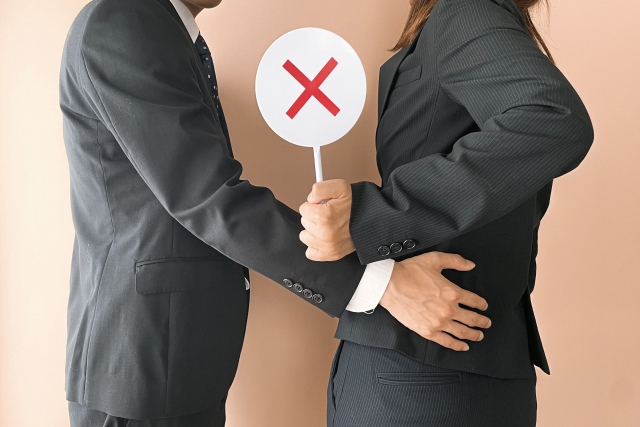
In Japan, it is not customary to engage in physical contact, such as hugging or high-fiving colleagues in a business setting.
One foreign journalist sarcastically remarked that “Japanese people have a skinship deficiency syndrome,” and they do not touch the other person’s body.
It is not clear why they avoid body touching so much, but it is important to be aware of it, especially in business situations.
When drinks are served, try to guess what the other party is trying to say.
Have you ever been offered tea or coffee after dinner at a friend’s or acquaintance’s house?
In other countries, if you are offered tea or coffee after dinner, you can honestly and happily drink it. However, in Japan, it may be a sign that they want you to leave early.
Not all tea or coffee is a sign, but there are times when, after a lengthy visit, you are suddenly asked, “Would you like some tea? “Would you like some tea?” Or, “Would you like a cup of coffee?” and so on, you should be careful.
It may be a sign that you are about to leave. It may be a sign that it is time for you to leave.
Priority seating exists on trains and buses.
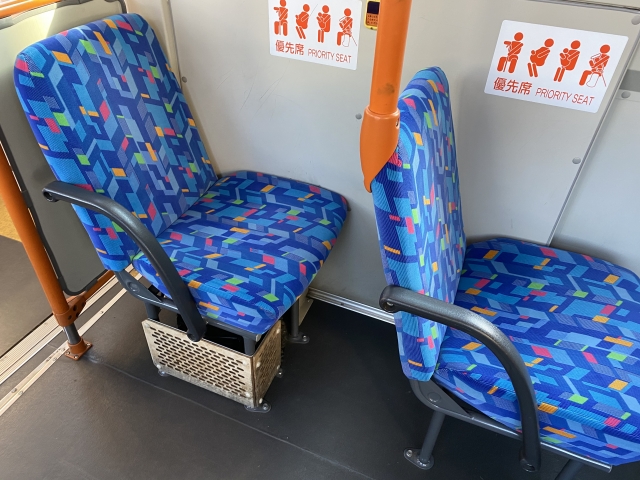
Japanese trains and buses have seats called “priority seats.
At a quick glance, all seats look the same, but in fact, priority seats are marked with a symbol for an elderly person with a cane, a pregnant woman, or a person with a small child.
Even Japanese people may not be aware of this, but priority seating is provided on trains and buses for such physically disabled people.
When there are few passengers on board, sitting in those seats is not a problem.
Also, if you are injured, pregnant, or with a small child, sitting in that seat is not a problem.
However, if you are in good health and there are such passengers in the car, you must give up your seat so that they can have priority seating.
There is a unique Japanese manner in eating.
When you go out to eat together on business or with friends, you may have a meal together.
In Japan, there is a culture that the other party pays for the meal, especially if the other party is a superior.
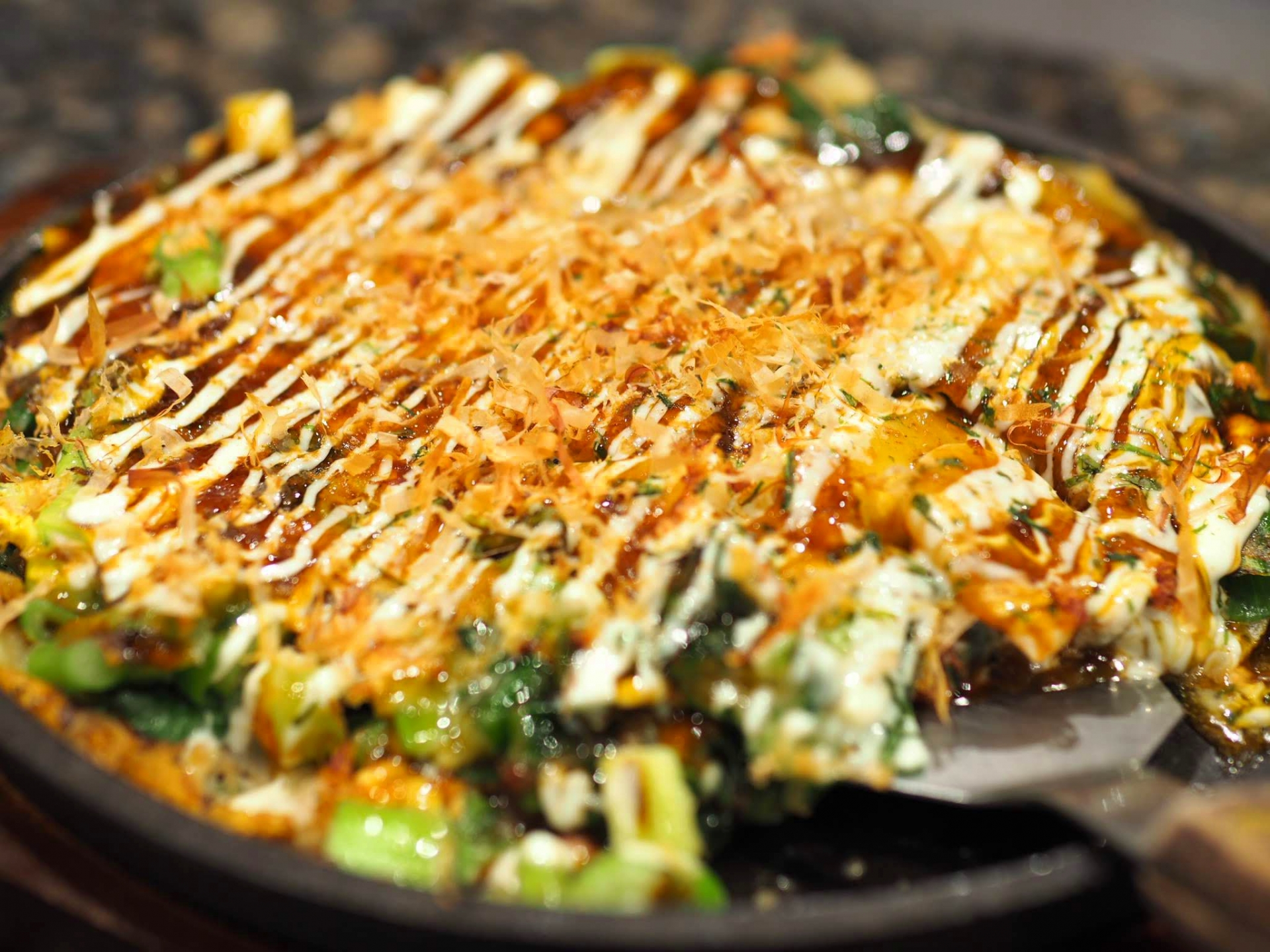
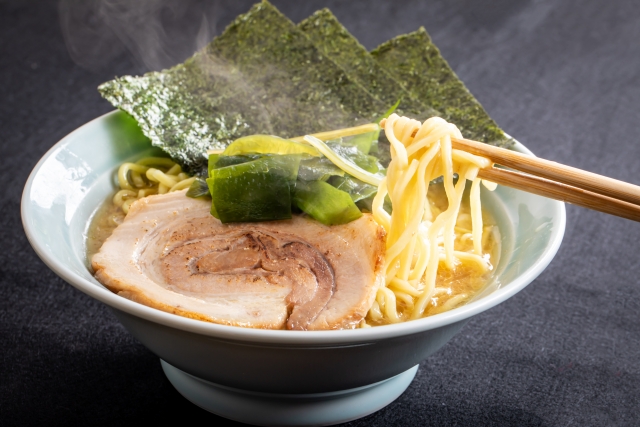
One thing to keep in mind is that you should not leave the food served to you.
You may become full halfway through the meal and may not be able to eat the last part. However, if you leave a meal behind, it may be considered rude to your superior.
For example, “Maybe you didn’t like it.” and so on, Japanese people are often concerned about the other person and read too much into the situation.
The same is true when you visit a friend or acquaintance’s house and are served a meal.
Please note that leaving food behind is considered rude behavior toward Japanese people.
Japanese virtues “Wabi, Sabi”.
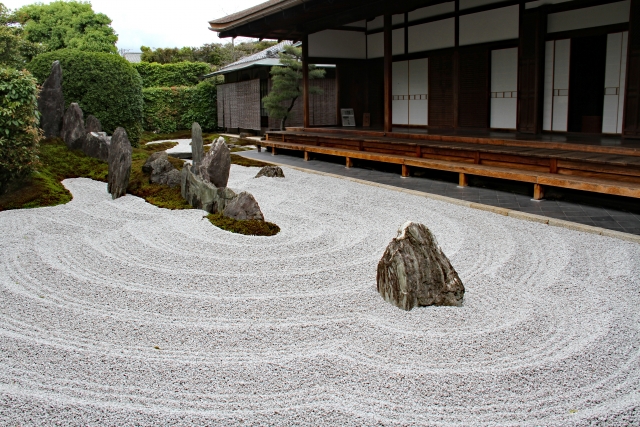
What is a little lacking or lacking is called “wabi and sabi,” and is considered a virtue of the Japanese people.
In Japan, there is a unique sense of aesthetic depth in the sense that a little is enough.
Of course, it is better to have everything done perfectly, but in particular, those who are junior are expected to care about not exceeding their superiors.
The term was originally used to evaluate works of art and is still used in the evaluation of art.
However, the concept is also used in everyday life, and it is the manner of the Japanese to think that a person of lower rank should be reserved for those of higher rank.
Although it seems easier to be straightforward about what one thinks and how one thinks, living one’s life with reserve is regarded as the correct way to be a human being.
It may seem like an unusual rule, but it is a way of building relationships and making things run more smoothly.
Conclusion
Today, we have introduced some Japanese rules that are easy to make mistakes and that you may not be aware of.
Some of them may be well known to you, but there are also some rules that Japanese people are not aware of.
In order to live comfortably in Japan, it is of course important to obey the law.
It is also very important to follow these unspoken rules that have remained in Japan for a long time.
By observing these rules together, we all form a sense of safety and security and engage in social activities.