 search
 language
 menu
menu5 Hidden Tourist Spots in Kyoto for Foreigners and Students
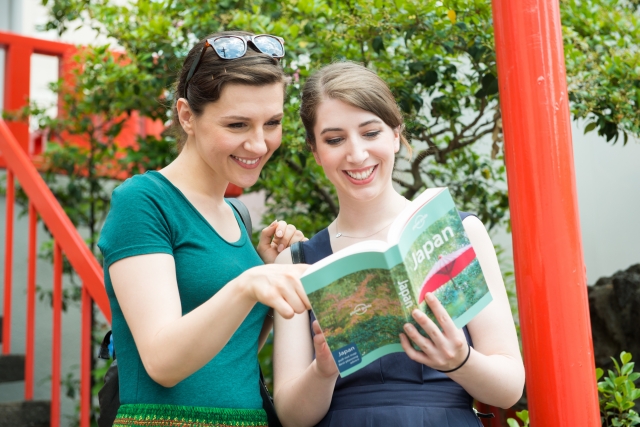
Where do you think of when you hear the word “tourist attractions in Kyoto”?
Many people think of Kinkakuji Temple, Kiyomizu Temple, Nijo Castle, Kyoto Tower, and so on.
Certainly, Kyoto has many historic temples, shrines, cultural buildings, and other tourist attractions.
However, most of them are concentrated in Kyoto City, the center of Kyoto, and the surrounding areas are not so well known.
Therefore, we would like to introduce five hidden sightseeing spots in Kyoto.
Contents
(1) Muko City’s very hot shopping street

Source: https://kyoto-gekikara.com/
Muko City, located next to Kyoto City, has numerous places of interest.
The most famous of these is an area known as the Gekihan Shotengai, where visitors can taste dishes made with chili peppers.
Not only Chinese food, but also beverages and desserts are all made with chili peppers.
At an annual event called the KARA-1 Grand Prix, stores boasting of their spiciness line up at the Kyoto Mukojima Bicycle Racetrack, and customers line up to taste them.
The event is held near Mukoicho Station, three stops from JR Kyoto Station, so please visit the holy land of the hot and spicy boom once.
(2) Cormorant fishing in Uji City
Source: https://www.kyoto-uji-kankou.or.jp/ukai.html
Uji City is known for its famous tourist attraction, the Byodoin Phoenix Hall.
It is also registered as a World Heritage site and is depicted on the 10-yen coin in Japan. In fact, there are many other tourist attractions in Uji City besides Byodoin, and the Uji River is one of them.
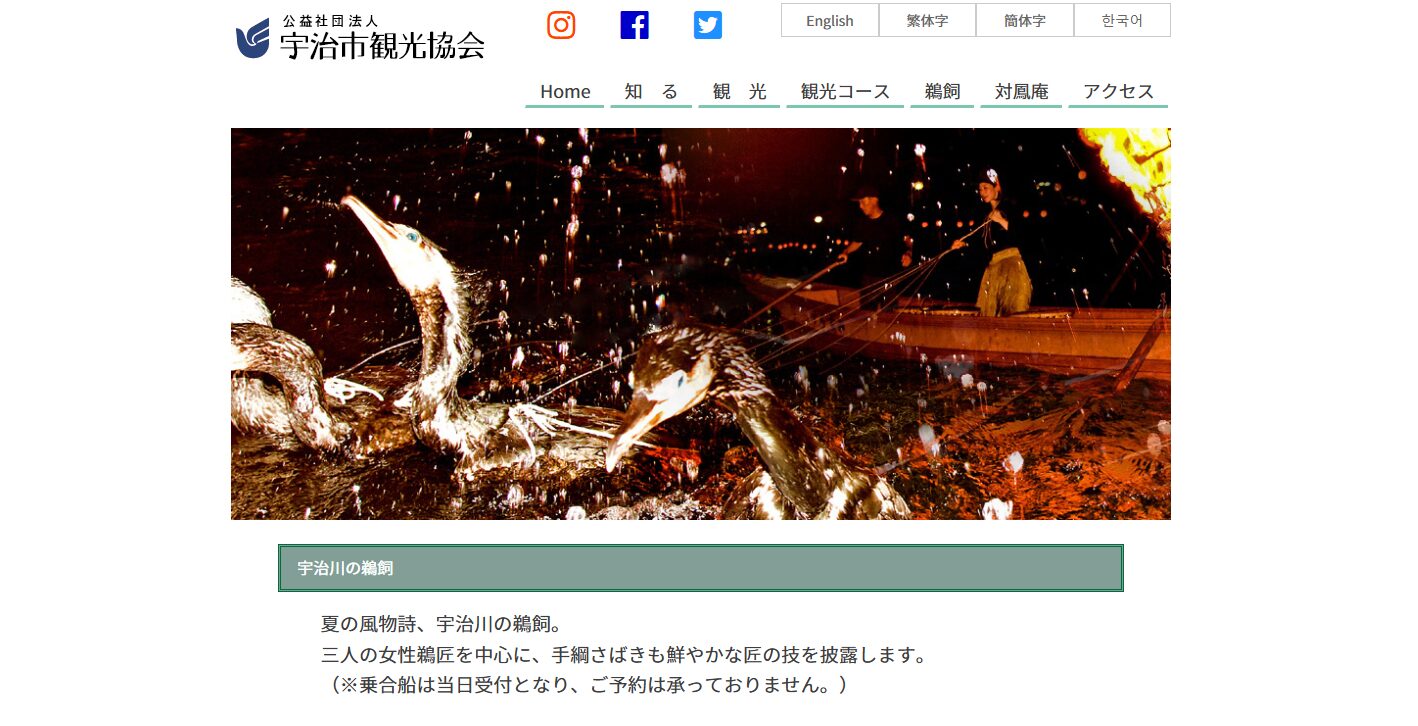
Uji River is a hidden tourist spot? Some people may think that Uji River is a hidden tourist spot, but an event called “Cormorant fishing” is held every summer on the Uji River.
Cormorant fishing is an art in which a bird called a cormorant is manipulated with a string to swallow a sweetfish or other fish swimming in the river.
The bird is then pulled by a string and the fish is pulled out from its belly.
Of course, the fish can be eaten, but the event is famous for its use of torchlight to draw the fish in on a dimly lit night and catch them with the bird.
(3) Tea fields in Wazuka Town
Source: https://wazukanko.com/
Located south of Kyoto, Wazuka-cho is not only a tourist attraction, but the town is also quite unknown.
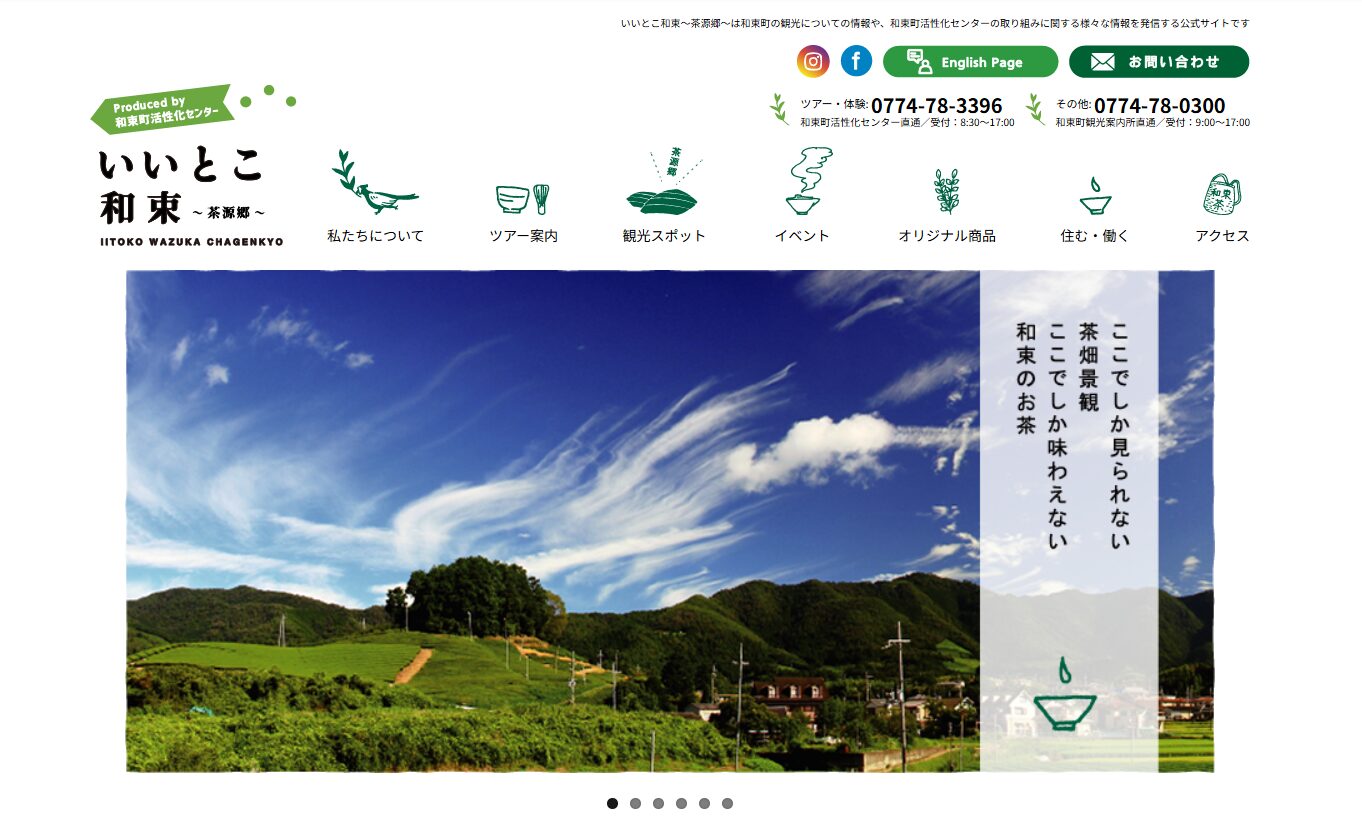
Many Japanese do not know this, but half of the tea produced in Kyoto is produced in Wazuka Town.
Wazuka Town has a number of areas called its “place name + tea fields,” which are popular among some enthusiasts as hidden tourist attractions.
The tea you drink after viewing the various shapes of tea fields is exceptional.
You will be impressed to see the leaves in this shape and taste the tea through the hot water.
If you visit Uji City, why not stop by the nearby town of Wazuka?
4) Traditional Kayabuki-no-Sato in Nantan City
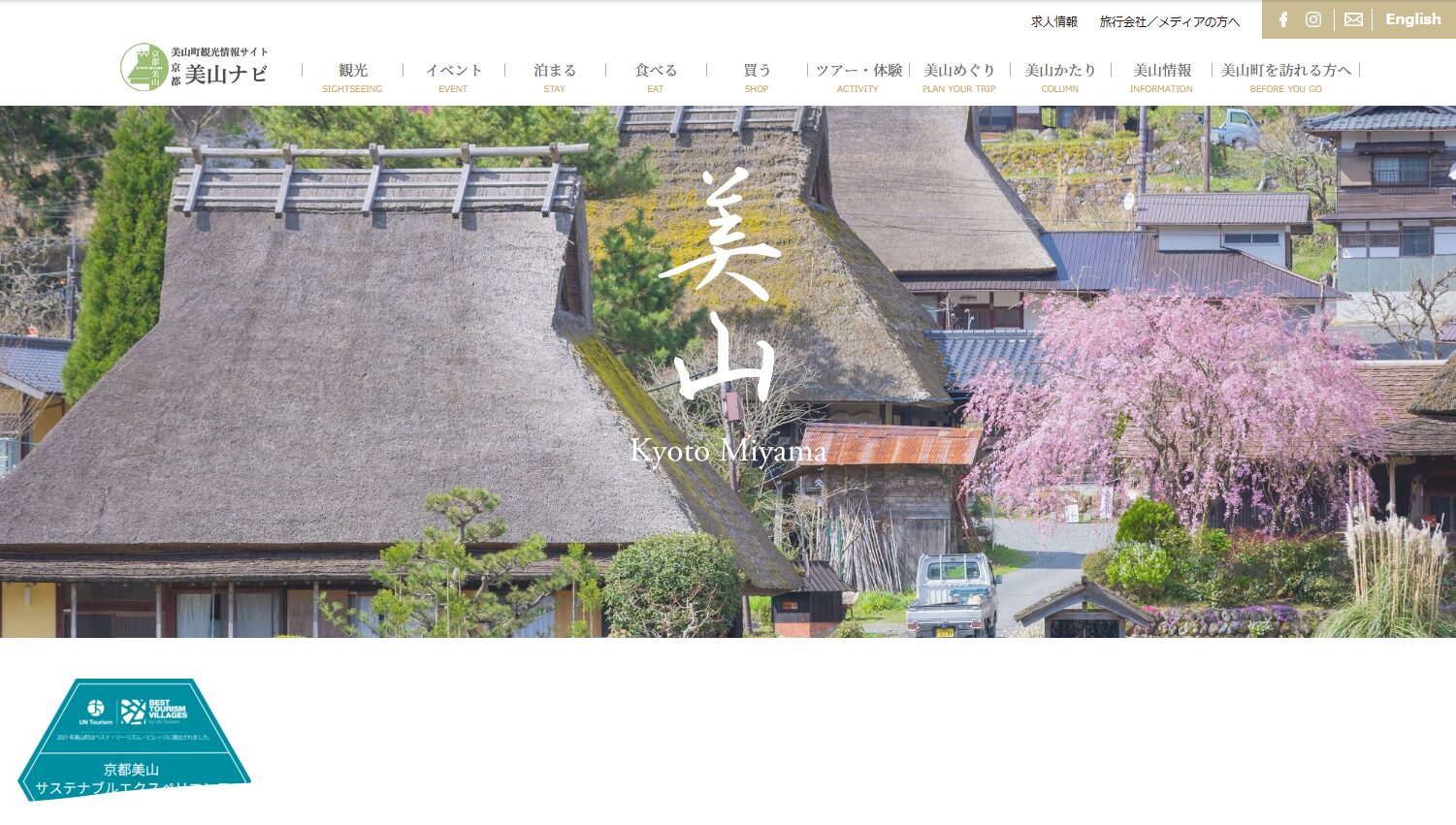
Source: https://miyamanavi.com/
Located almost in the center of Kyoto Prefecture, Nantan City is a vast area, and the area known to those in the know as Miyamacho.
Miyama-cho has a northern village called Kayabuki-no-Sato, which has been selected as a national Important Preservation District for Groups of Traditional Buildings.
There are cafes and guest houses in the village, and visitors can tour the surrounding area.
Watching the houses with traditional kayabuki roofs is a magical experience, as if you are peering into a history textbook.
There are also lodging and hot spring facilities near the northern village, so you can spend a fulfilling day.
5) Kyotango City
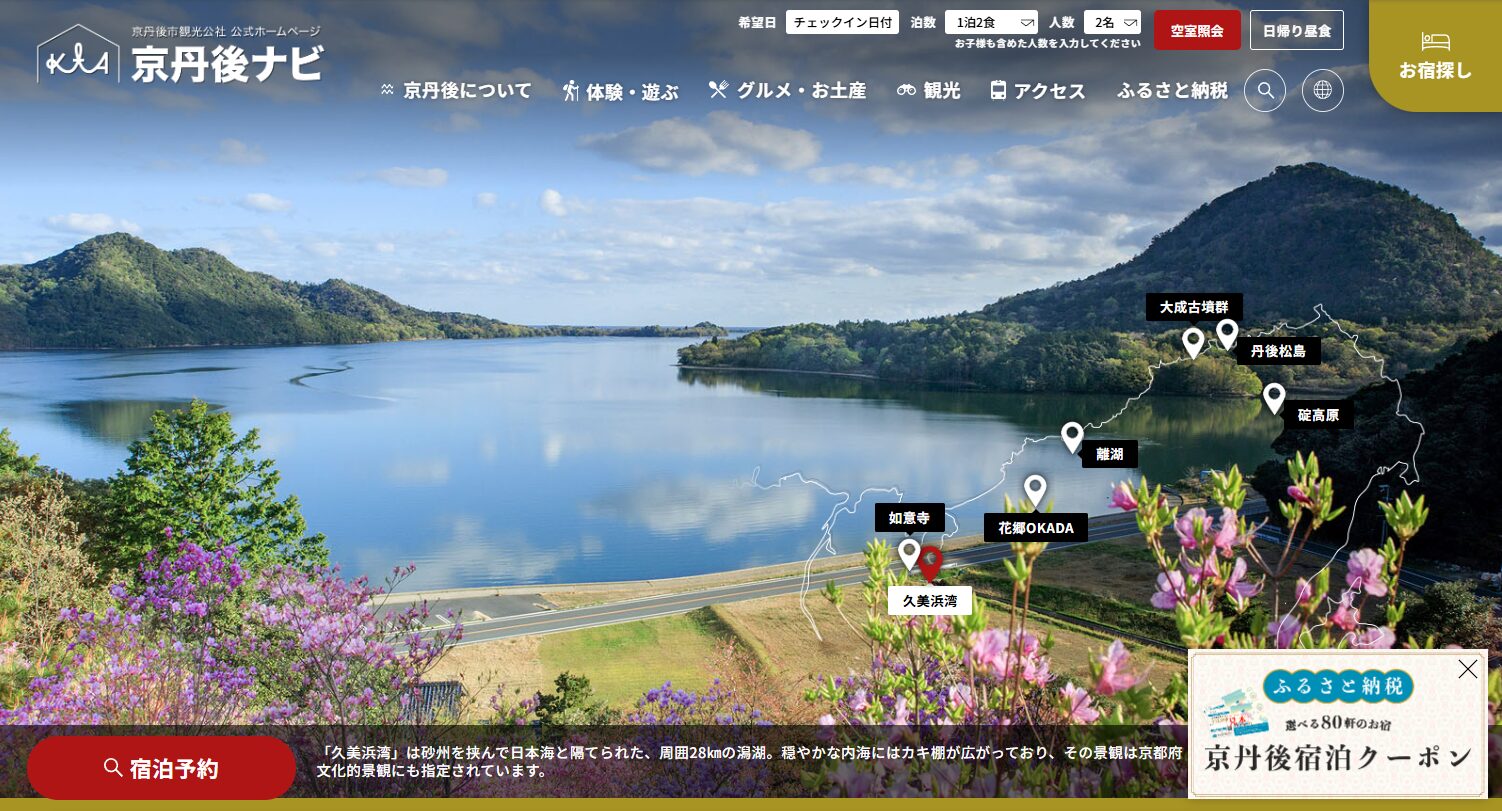
Source: https://www.kyotango.gr.jp/
Kyotango City, located in the north of Kyoto, is a town where visitors can enjoy all four seasons.
In particular, it is a town that has built its own unique culture within Kyoto Prefecture, and visitors can enjoy cultural facilities such as textile industries and museums, as well as seafood, especially crab.
The area is so large that there are more sightseeing spots than you can visit in a day, but the sweets are particularly popular. Because the area has both ocean and mountains, a wide variety of ingredients are available, and there is a rich variety of sweets.
There are also many stores where visitors can try their hand at making ceramics, so this is a good place to create memories of your visit.
Conclusion
These are the five hidden sightseeing spots in Kyoto recommended for foreigners and foreign students.
Some of these spots may be well known to you, but I believe there are also areas that are surprisingly unknown.
When we think of Kyoto, temples and shrines come to mind, but there are also sightseeing spots where you can enjoy the spiciness of the city and towns where you can go back in time to the good old days of Japan.
There are also many other hidden places of interest that do not appear in tourist brochures, so why not visit as much as time permits?