 search
 language
 menu
menuFive basic rules for international students living in Japan

Here are some basic rules for international students living in Japan.
Just as each country has its own rules, Japan has its own rules, and while some things are fine in Japan because they were fine in your country, there are many things that are not so.
For example, in some countries, you may enter a room with your shoes on, but in Japan, you take off your shoes at the entrance.
In some countries, cars drive on the right side of the road, but in Japan, cars drive on the left side of the road.
As you can see, there are many things in Japan that are different from those in your home country, but it is a good idea to get used to them little by little, by listening to and imitating them while living in Japan.
If you are going to live in Japan, you should follow Japanese rules and try to be friendly and pleasant to each other.
It is important to ask Japanese people at your part-time job or Japanese staff or teachers at your school about anything that makes you uneasy or makes you wonder, even if only a little, “How is this? It is also good to ask people from the same country, but some people may teach you bad things through Facebook or other Internet connections.
As with anything, not understanding the language can cause a lot of problems. It would be good to find even one Japanese school teacher or friend with whom you can talk about anything.
Now, let me tell you some rules for living in Japan for international students and things you should be careful about.
Contents
About Residence Card
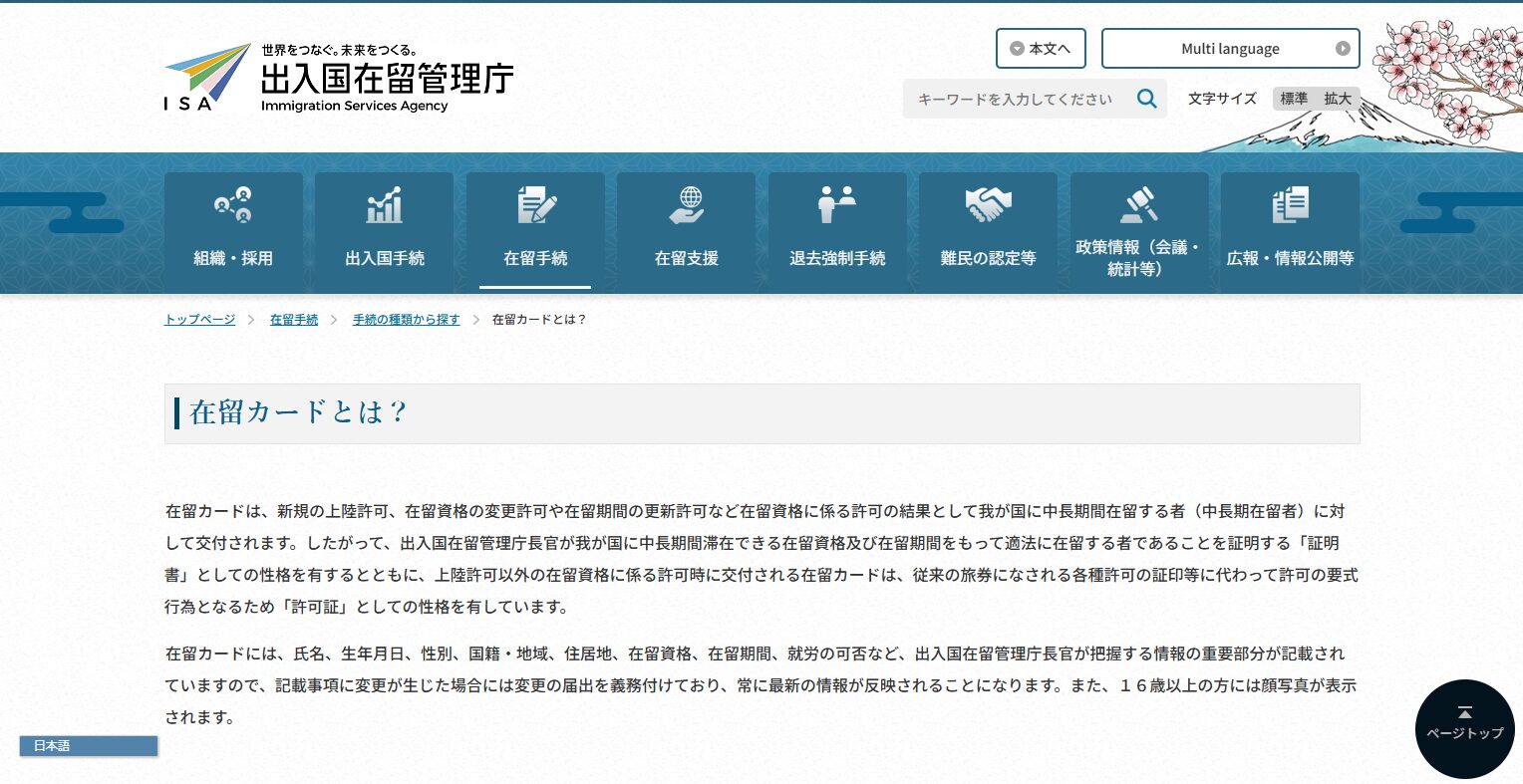
Source: https://www.moj.go.jp/isa/applications/procedures/whatzairyu_00001.html
When you arrive in Japan, you will probably receive a residence card at the airport. This residence card is for foreigners who have been authorized to stay in Japan.
It is a very important card, so please carry it with you at all times.
You need to carry it even when you go to the nearest convenience store. Sometimes the police will check to see if you have your resident card with you. If you do not have it, you will be in violation.
So, please always take your resident card with you when you leave your house, even if you are close by. The resident card states the period of time you are allowed to stay in Japan, the period of validity, and the purpose of your authorized stay, for example, if you are a foreign student, permission to live in Japan to study at a Japanese school.
In order to work part-time, permission to engage in an activity other than that permitted under the status of residence must be indicated on the resident card. Without this permission, you cannot work.
For details, please ask your school teacher or someone in the know.
Even if you do not have permission to engage in an activity other than that permitted under the status of residence on your resident card, you can submit it to the Immigration Bureau to obtain permission later. Please call the immigration office and ask for details.
If you are worried about your Japanese language ability, you can ask your school teacher or friends to help you and call the Immigration Bureau to ask them. It is important to ask questions and not to judge everything by yourself.
Garbage Disposal and Littering
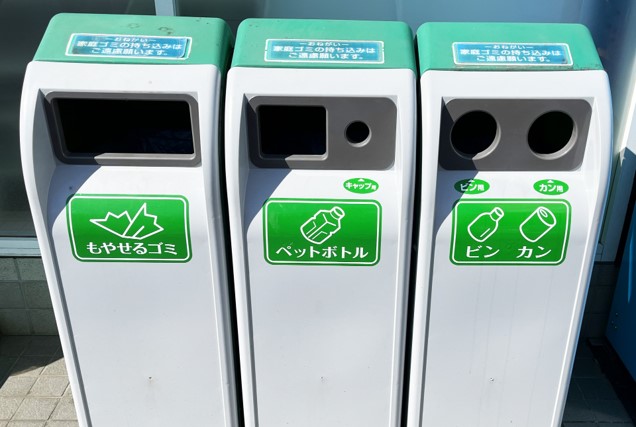
Garbage in Japan is basically [burnable garbage (combustible garbage)], [non-burnable garbage (noncombustible garbage)], and [recyclable garbage (bottles, cans, paper, etc.)], but depending on where you live, you may have to separate garbage in more detail than that.
For example, in some areas, plastics are separated. Even in the same prefecture, it differs from city to city.
Please ask a Japanese person about the rules for garbage disposal where you live.
Also, Japan is now famous in the world as a country where people do not throw garbage on the side of the road, but put it in garbage bins to keep the town clean.
Please do not throw garbage or cigarettes on the street, not because this is the way in your country, but because you are coming to Japan and living here. If there is a trash can nearby, put your trash in it; if not, take it back to your own home and put it out on the day of garbage disposal.
Please do not leave garbage or cigarette butts in the basket of your bicycle.
Noise
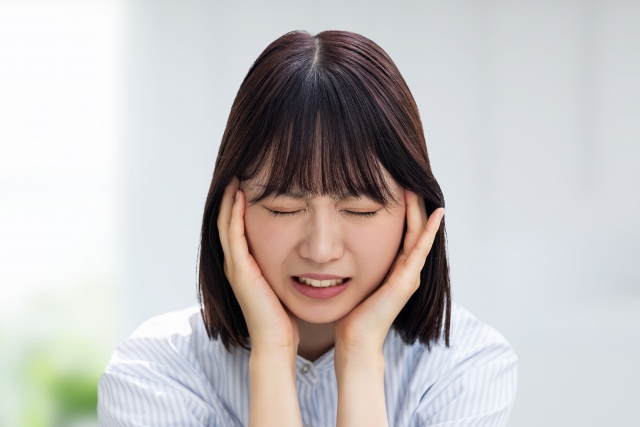
You will probably rent an apartment to live in Japan. Some may live in school dormitories, but in Japan, if you are going to rent a house to live in, be careful not to behave in a way that is disruptive to other people.
On weekends, some foreigners get together with people from the same country because they like karaoke and use microphones to do karaoke in their apartments.
Some people also drink alcohol and make a lot of noise, but be careful not to make a nuisance of yourself; some people find the footsteps of people living on the second floor noisy. If you use a microphone to sing karaoke in your apartment, it will be even louder.
Also, if you are speaking a foreign language other than Japanese in a loud voice, even the language sounds loud to Japanese people, and they cannot understand it and feel it is noisy. It is only a sound, but it is something that often causes trouble even among Japanese people, so be careful.
Also, when you have a driver’s license and drive a car, do not drive with loud music or modify your car to make loud noise.
Use of Restrooms
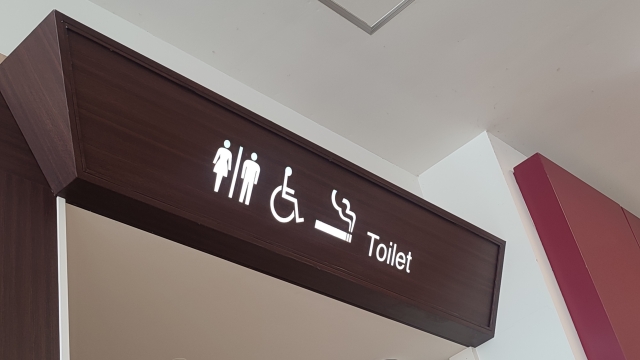
In some countries, used toilet paper is not flushed down the toilet, but is instead thrown into a trash can or wastebasket.
In Japan, however, used toilet paper can be flushed down the toilet without removing it, but tissues and paper napkins other than toilet paper should not be flushed, as they can cause blockages.
In addition, alcohol disinfectant may be available in public restrooms. Apply it to toilet paper, wipe the toilet seat to sterilize it, and then sit down.
Washlet is to wash your buttocks after defecating. It may be difficult to get used to it, but if you want to use it, do so.
Bicycle rules

Bicycles do not require a license like cars, but they do have rules just like cars, and there are fines if they are not followed.
There have been many accidents in which pedestrians have been hit by bicycles, resulting in injury or death, so it is important to remember the rules when riding a bicycle.
Riding a bicycle with two people is prohibited, so do not carry a person in front of or behind you.
Riding a bicycle while looking at a cell phone or listening to music with earphones is also prohibited. Wear a helmet when riding a bicycle.
When it rains, wear a raincoat instead of an umbrella.
Conclusion
These are some of the basic rules that international students should know in order to live in Japan.
Please follow the rules and enjoy your life in Japan.
I know it will be difficult until you get used to them, but I think you will learn them little by little naturally.