 search
 language
 menu
menuWhat you should know about staying in Japan for an extended period of time
Recently, the number of foreigners coming to Japan and staying for long periods of time has been increasing.
I am glad to see that Japan has become more internationalized.
However, when many people live together, trouble can occur.
We would like to take care of each other to avoid such problems.
In this issue, we will explain what you should know when you are a foreigner staying in Japan for a long period of time.
Please be careful about these things!
The following are some of the things to be aware of when a foreigner comes to Japan and stays for a long period of time.
Contents
- 1 Make sure to greet people properly.
- 2 Do not make noise.
- 3 In rented housing, do not allow other people to live in your apartment.
- 4 Follow the rules for garbage disposal.
- 5 Observe the order.
- 6 In Japanese housing, take off your shoes to go up.
- 7 Call ahead if you want to visit a Japanese home.
- 8 Follow traffic rules.
- 9 Conclusion
Make sure to greet people properly.

When you move into a new house, you should say to your neighbors, “My name is 00, I just moved here. Please give my regards.” Japanese people are not used to foreigners.
Japanese people are not used to people from other countries, so when they see someone who is a little strange, they may worry, “You don’t look familiar, are you okay?” When Japanese people are not used to foreigners, they may become concerned when they see someone who is a little strange.
If you say your name from the beginning, you can rest assured. You can rest assured if you say your name from the beginning.
It is important to get to know them well because they may ask you to teach them something they don’t know.
It is also necessary to say “Good morning” or “Hello” when you meet someone on the street.
Do not make noise.

Japanese people do not like to make a lot of noise.
If you live in an apartment, try to make as little noise as possible, especially after 10:00 pm.
Even on trains and buses, be careful not to talk loudly with friends or make phone calls.
In rented housing, do not allow other people to live in your apartment.

It would be great if you could rent an apartment.
But if the apartment is for one person, it is against your word to invite your friends or relatives to live with you.
If you really want to live together, you should either rerent an apartment for two people or ask the landlord to let you live together temporarily until you can find one.
It is acceptable for a close friend to stay over for a day or two, but not to live with you all the time.
Please be very careful, because I once had a big problem with two or three people living in a one-person apartment for sometime.
Follow the rules for garbage disposal.
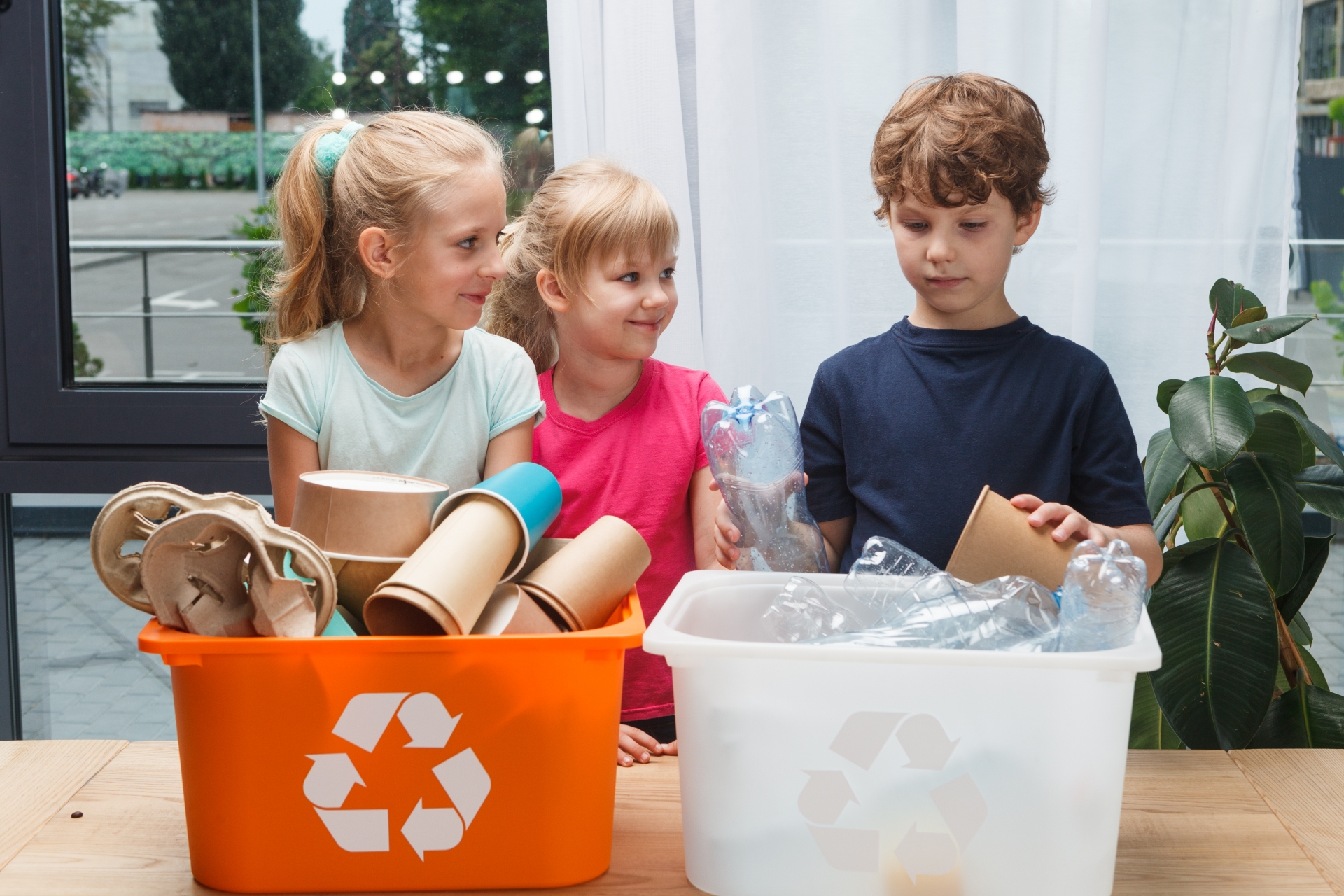
Garbage disposal is regulated by each township in terms of location and time.
There are different ways to dispose of burnable, non-burnable, and bulky garbage.
The city’s public relations brochures and other information on how to put out garbage are available.
Recently, English versions are also available, so you can get one at the city hall or look it up on the Internet.
If you are going to put out garbage, it is important to follow the garbage disposal rules of your neighborhood.
Observe the order.
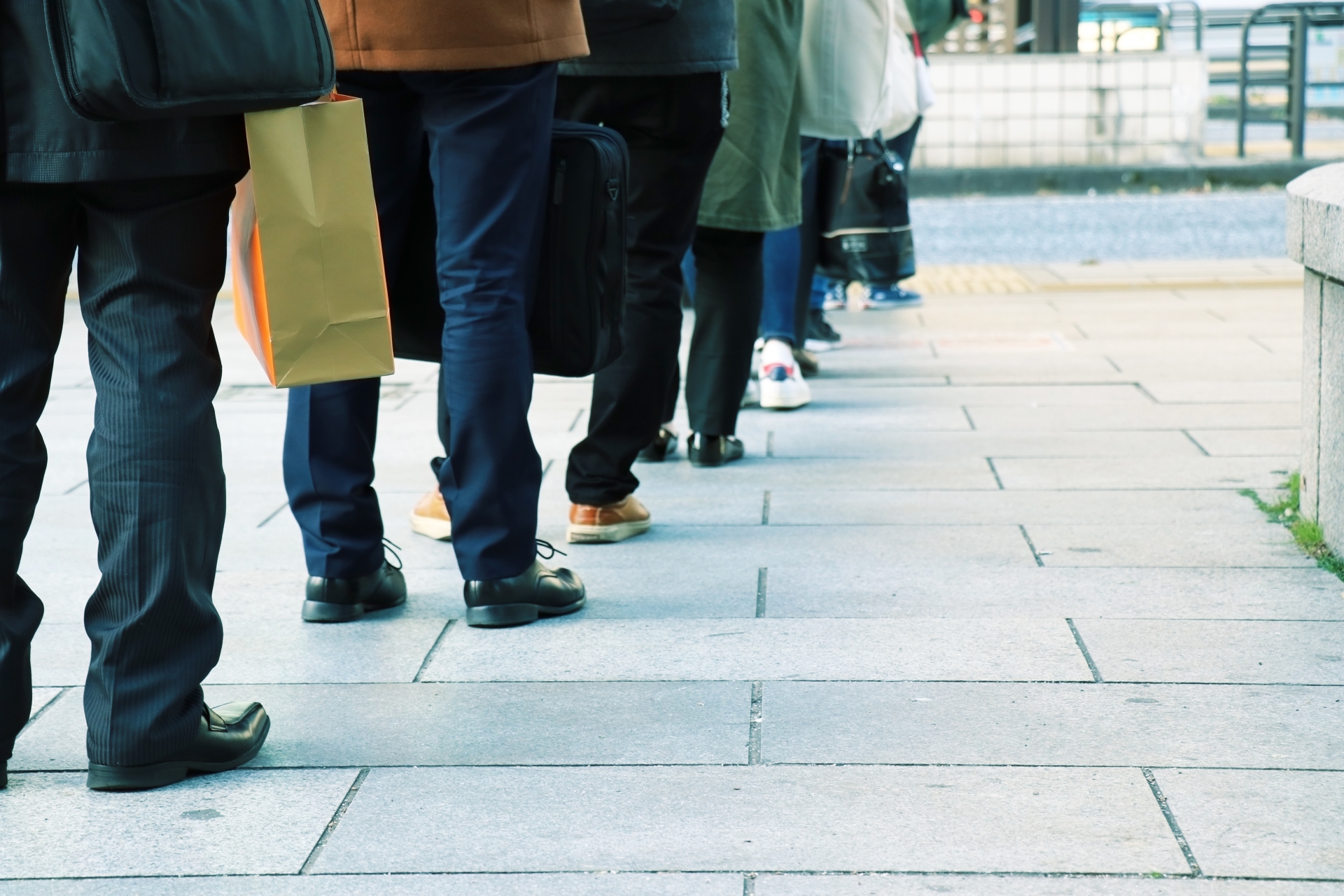
Japanese people are relatively respectful of order.
Most of the time, they form a line to get on a train or bus, or to buy a ticket.
Please be sure to keep order and do not interrupt.
In Japanese housing, take off your shoes to go up.
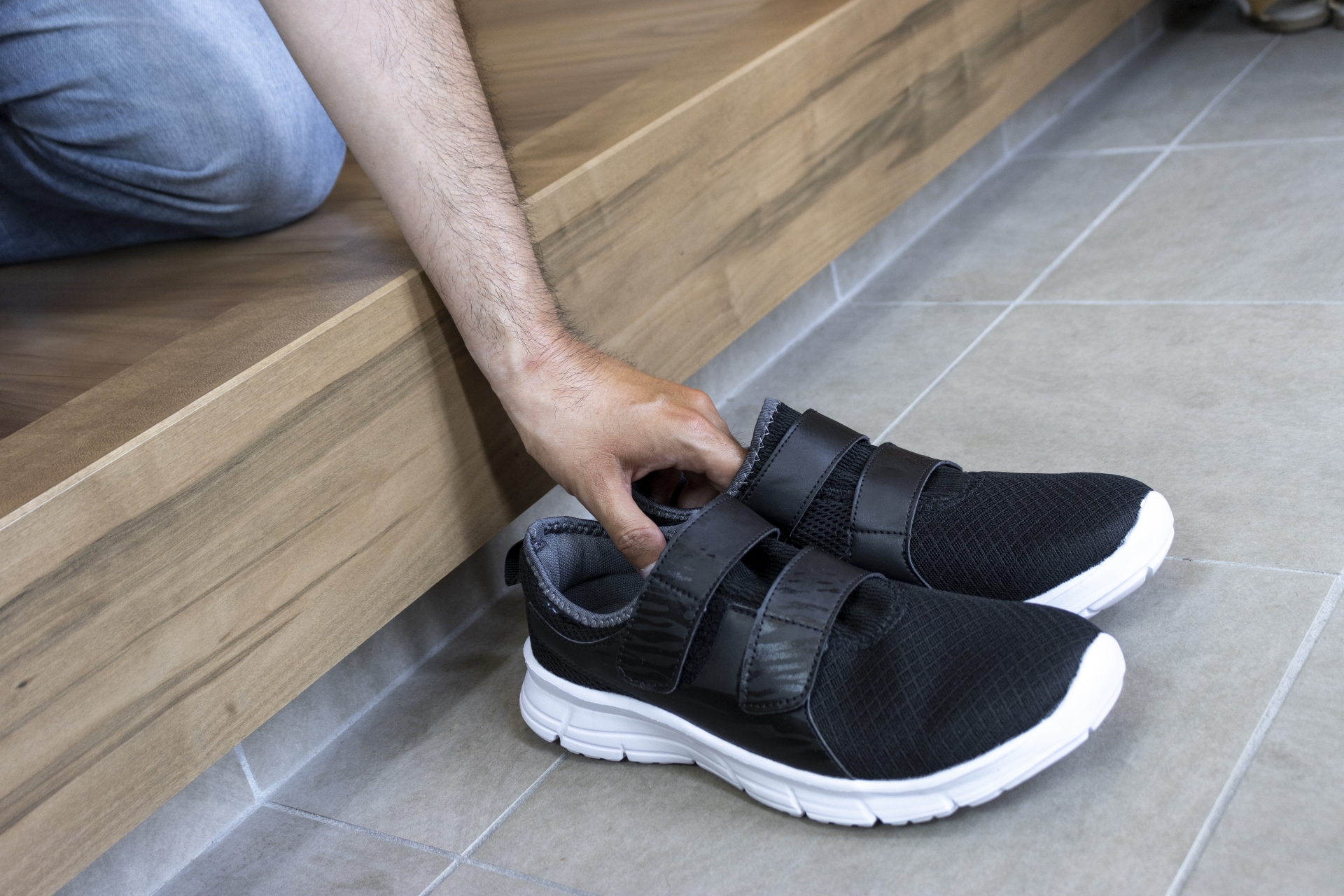
In Japanese houses, regardless of whether they are Japanese or Western style, you must take off your shoes at the entrance.
In most cases, people change into slippers before going up, but when entering a room with tatami mats, they also take off their slippers.
This etiquette is not easy to get used to, and there was a case in which a Japanese person had left his shoes side by side in a Japanese-style room, even though he had gotten used to taking them off at the entrance.
I would like to be careful.
Call ahead if you want to visit a Japanese home.
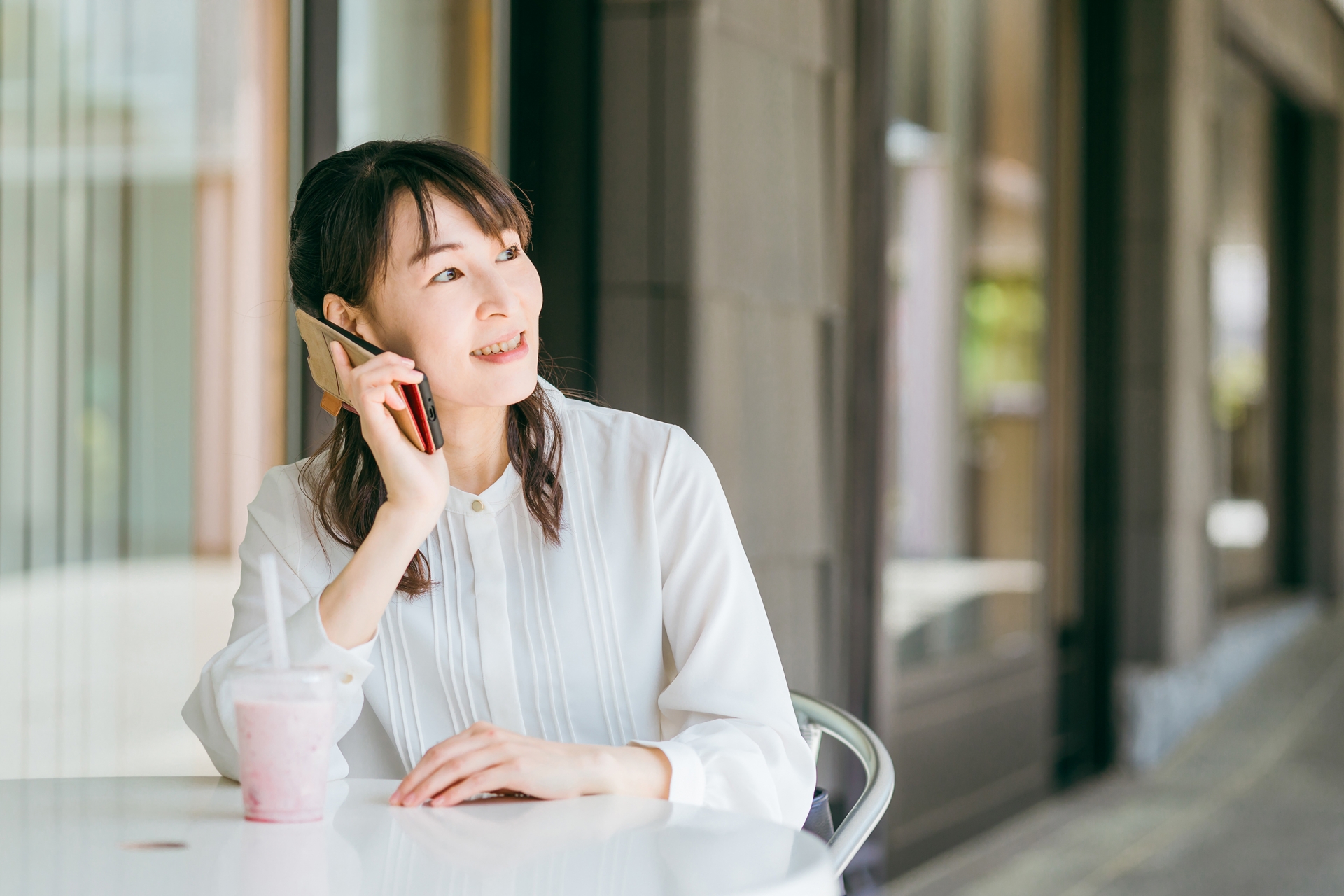
Japanese people often say things like, “Please come visit me sometime. Japanese people often say things like, “Please come visit me sometime.
This does not mean, “Really, you are welcome anytime. It is simply a friendly way of saying, “You are welcome. It is simply a friendly way of saying, “You are welcome.
So, if you really want to visit a Japanese person’s home, it is advisable to make an appointment with the person saying, “May I come over on ____ day at ____ time? If you really want to visit a Japanese home, it is advisable to make an appointment with them.
In reality, there are many homes where the whole family is away at school or work.
If you go to a house just because you have an idea, there is a high possibility that no one will be home.
Follow traffic rules.
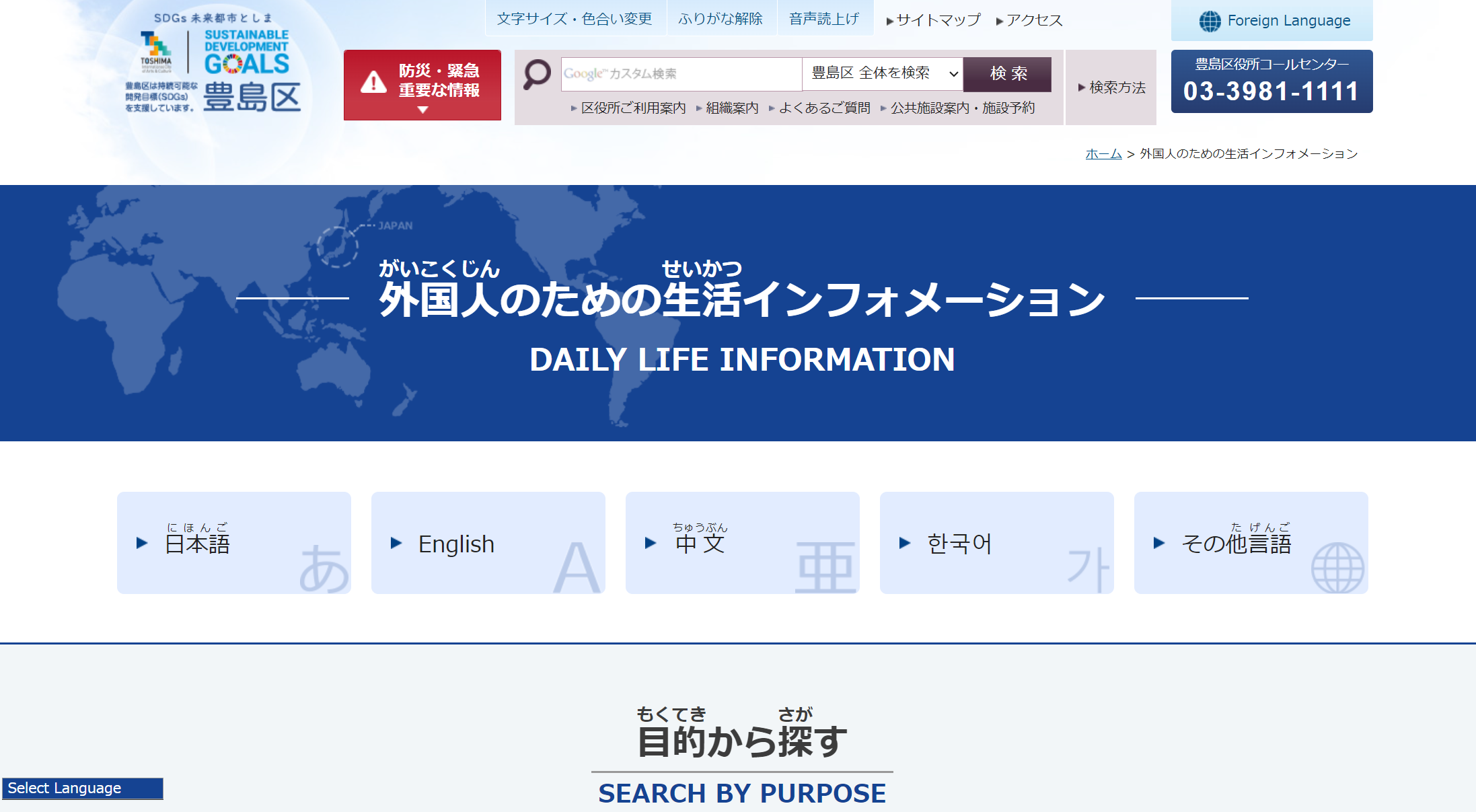
Source: Toshima City Official Website (toshima.lg.jp)
In some foreign countries, it is acceptable to cross the street even at a red light as long as no cars are coming.
In Japan, however, it is important to obey traffic rules.
In Japan, roads are narrow and cars and people may run out from side streets.
To prevent accidents, please obey the traffic rules.
To learn more about these rules of life and public services, it is a good idea to read the public relations magazines provided by each local government.
You can get a public relations magazine at the ward office, but you can also easily find one by searching the Internet.
For example, the Tokyo Metropolitan Government’s Toshima Ward PR is written in English, Chinese, Korean, Vietnamese, Nepalese, Myanmar, etc., in addition to Japanese.
Please refer to them.
Conclusion
If you are going to stay in Japan for a long time,
First, greet your neighbors and become friends with them, be careful not to make noise, and follow the rules of garbage disposal and no roommates.
In Japanese houses, it is also important to take off your shoes when going up the stairs, be careful not to interrupt people, and follow traffic rules.
We want to maintain friendly relationships with the people around us and live comfortably.