 search
 language
 menu
menuThings foreigners should know beforehand when living in Japan (1)
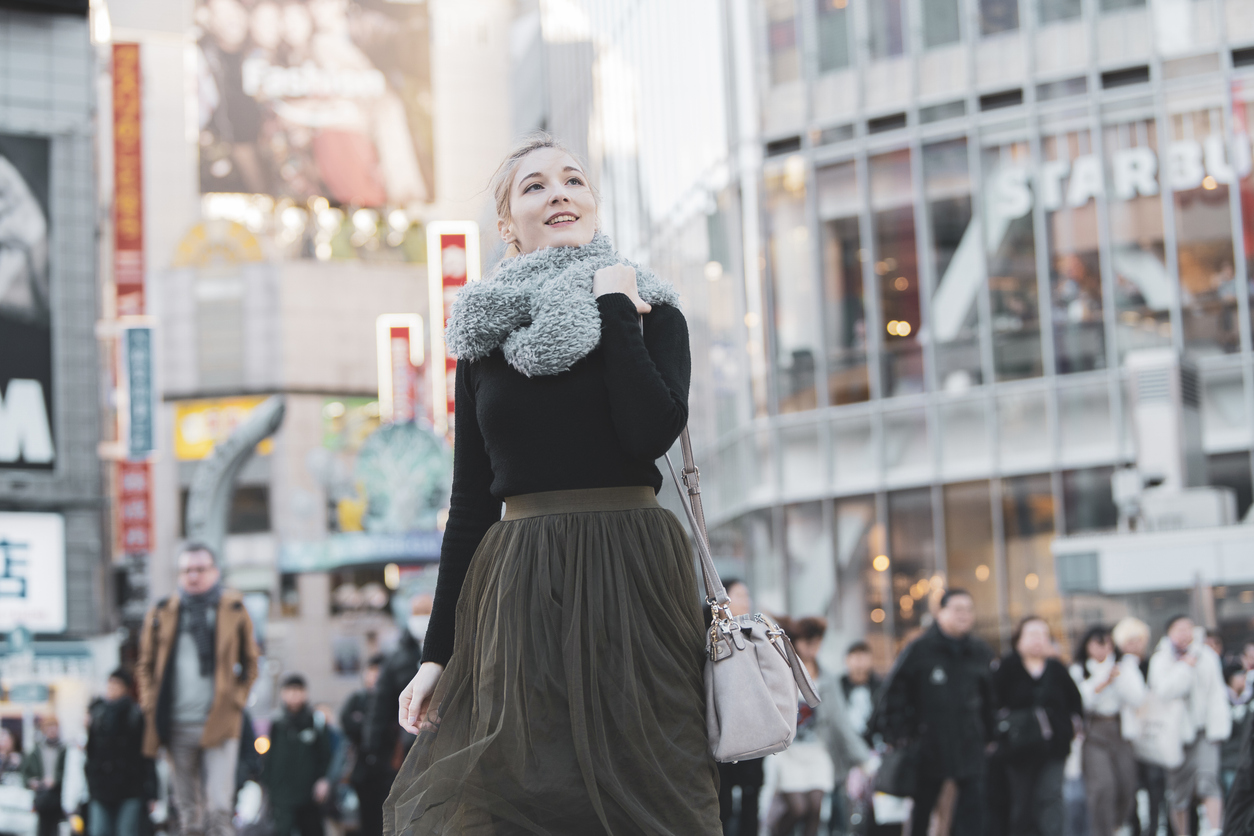
Recently, the number of foreigners moving to Japan has been increasing. It is becoming more and more common to see foreigners all over Japan. In some places, it is not unusual to find that more than half of the apartments and condominiums are occupied by foreigners.
However, in fact, many people are confused by the cultural differences and the food in Japan after coming to Japan.
If you are thinking of moving to Japan, here are some things you should know beforehand.
First of all, what kind of image do foreigners have of Japanese people?
In fact, we would like to introduce what kind of impression foreigners who have immigrated to Japan have of the Japanese.
Contents
I was amazed at how kind and helpful they were.
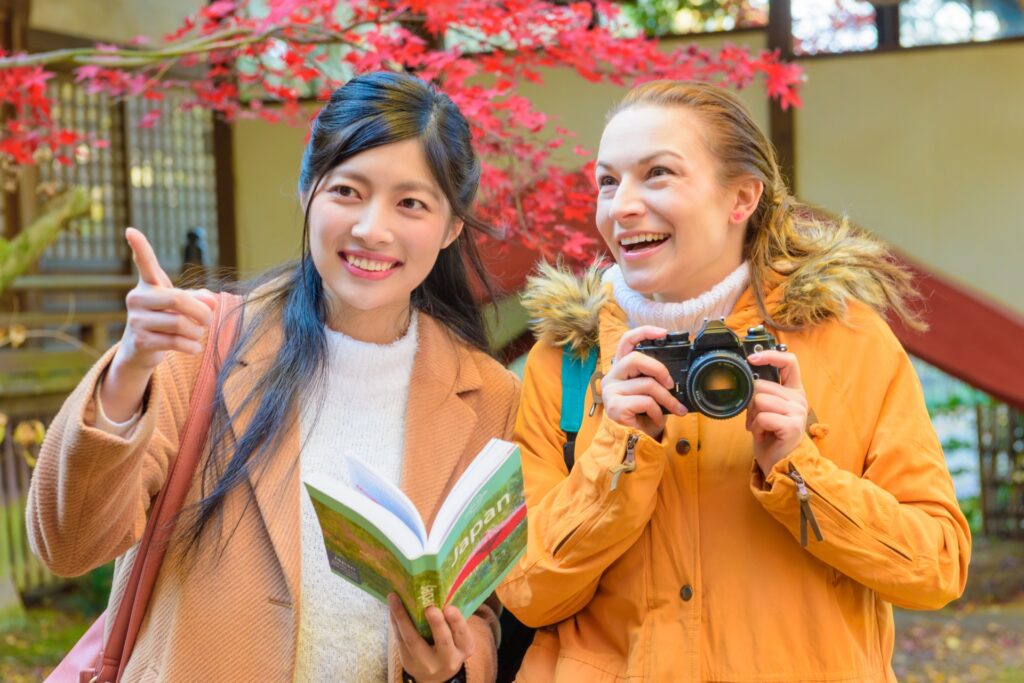
Japanese people have the impression that foreigners immigrating to Japan are “kind and helpful.
This is because, although not all Japanese people are like that, they are very much willing to help those in need.
Even if they do not know the way, they will try their best to teach you if you ask them. If you do not understand a foreign language or are in a great hurry, they may refuse to help you.
However, for those who have time or know a few words, I want to teach them somehow! and they will draw a picture to explain or use a map to teach you if they have one. If you are in trouble, please ask them.
I can’t tell what they are thinking by looking at them.
Japanese people have a shy side, so they do not express “happy, sad, joyful, or angry” as loudly as foreigners do. Therefore, it is very difficult to read what Japanese people are thinking by their appearance.
And Japan has a unique culture. Instead of saying, “This is a rare and delicious food,” they say, “It’s a trivial thing,” or “I don’t know if it will suit your palate.
In reality, they think, “It’s expensive, hard to find, and absolutely delicious, so I’m sure you’ll be pleased with it.
Therefore, immigrant foreigners sometimes think, “I can’t believe they brought something so boring” or “I can’t believe they brought something that doesn’t taste good. However, this is a part of the Japanese culture, and in reality, the item was chosen with the recipient’s best interest in mind, so it is best to accept it gratefully.
Next, let me introduce some manners and customs.
About the Bath
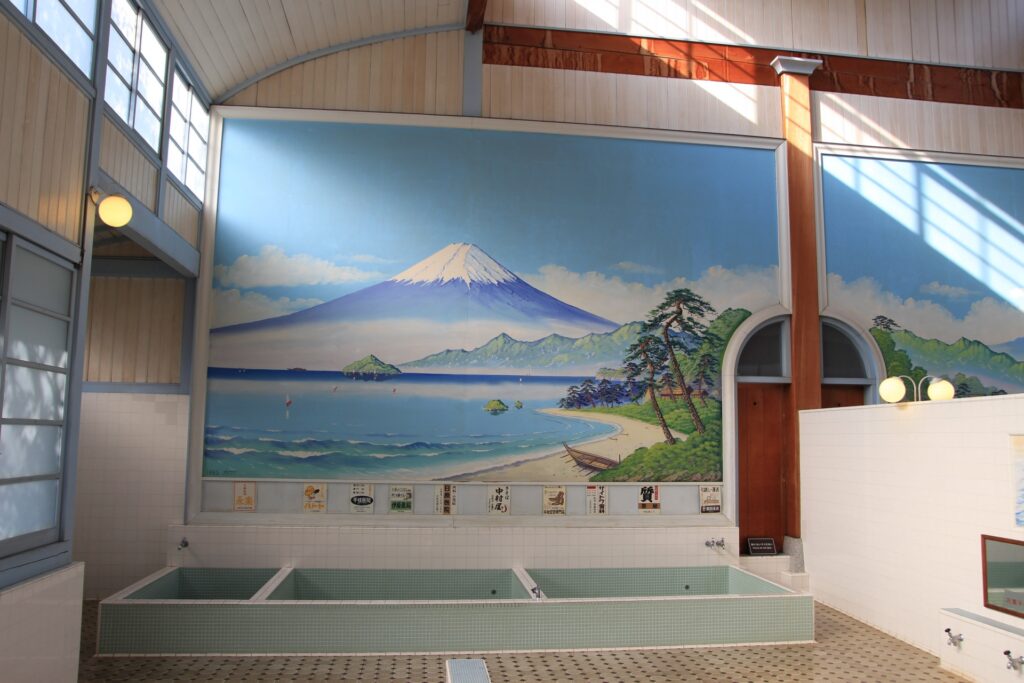
Some small houses have “unit baths,” in which you take a shower in the bathtub, but the most common type of bath in Japan is one in which the washing area is separate from the bathtub. In Japan, however, the washing area is usually separate from the bathtub.
The bathtub is filled with hot water to warm the body, so in baths with separate bathtubs and washing areas, the body and hair are not washed in the bathtub. In a separate bathtub and washing area, you do not wash your body or hair in the bathtub.
Manners for Eating
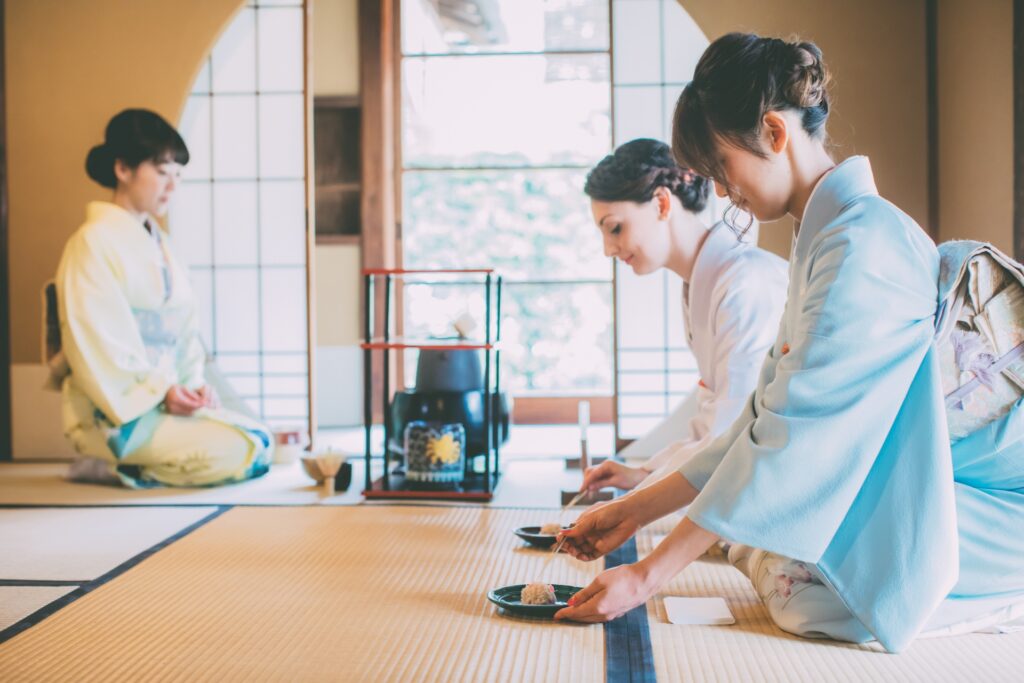
The beautiful manner of Japanese people to eat is to hold the tableware. In other countries, it is not customary to “hold the tableware.
Since Japanese people know this, it is not a big deal from the Japanese side. However, those who have immigrated from abroad may think it is against manners, but in Japanese culture, “to hold the dishes” is the manner of eating, so it is better to know this beforehand.
Use of the Restroom
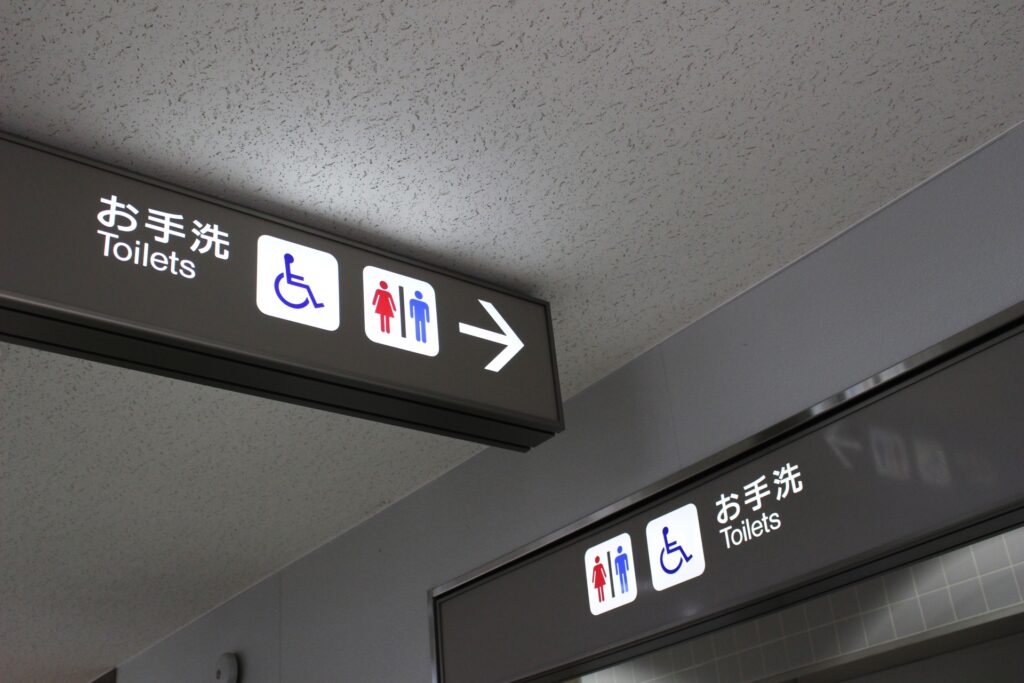
Public restrooms in Japan are free of charge. If there is a “red” sign near the door indicating that someone is using the restroom, it means that someone is using the restroom. If the sign is “blue,” the restroom is empty and may be used. In that case, be sure to lock the door.
When you lock the door, the color outside will change to “red. If the door is unlocked, it will remain “blue” and people will come in, thinking that the door is open.
Therefore, always lock the toilet when you use it.
Conclusion
As you can see, there are things in Japan that are different from those in other countries.
If you understand Japanese culture, you will enjoy your life in Japan.