 search
 language
 menu
menuFeatures of Japanese housing and used properties.
One of the features of traditional Japanese-style houses is the tatami-mat style Japanese-style room. In addition, it is common to live barefoot or in slippers without shoes, as people take off their shoes at the entrance before entering the room.
Wooden houses are also the most common type of housing in Japan, and are better suited to Japan’s seasonal humidity changes than steel-frame houses because of their superior ability to absorb and absorb moisture.
Here, we will introduce the characteristics of Japanese housing in detail for foreigners looking for a new or used house in Japan.
Contents
What are the characteristics of Japanese housing?
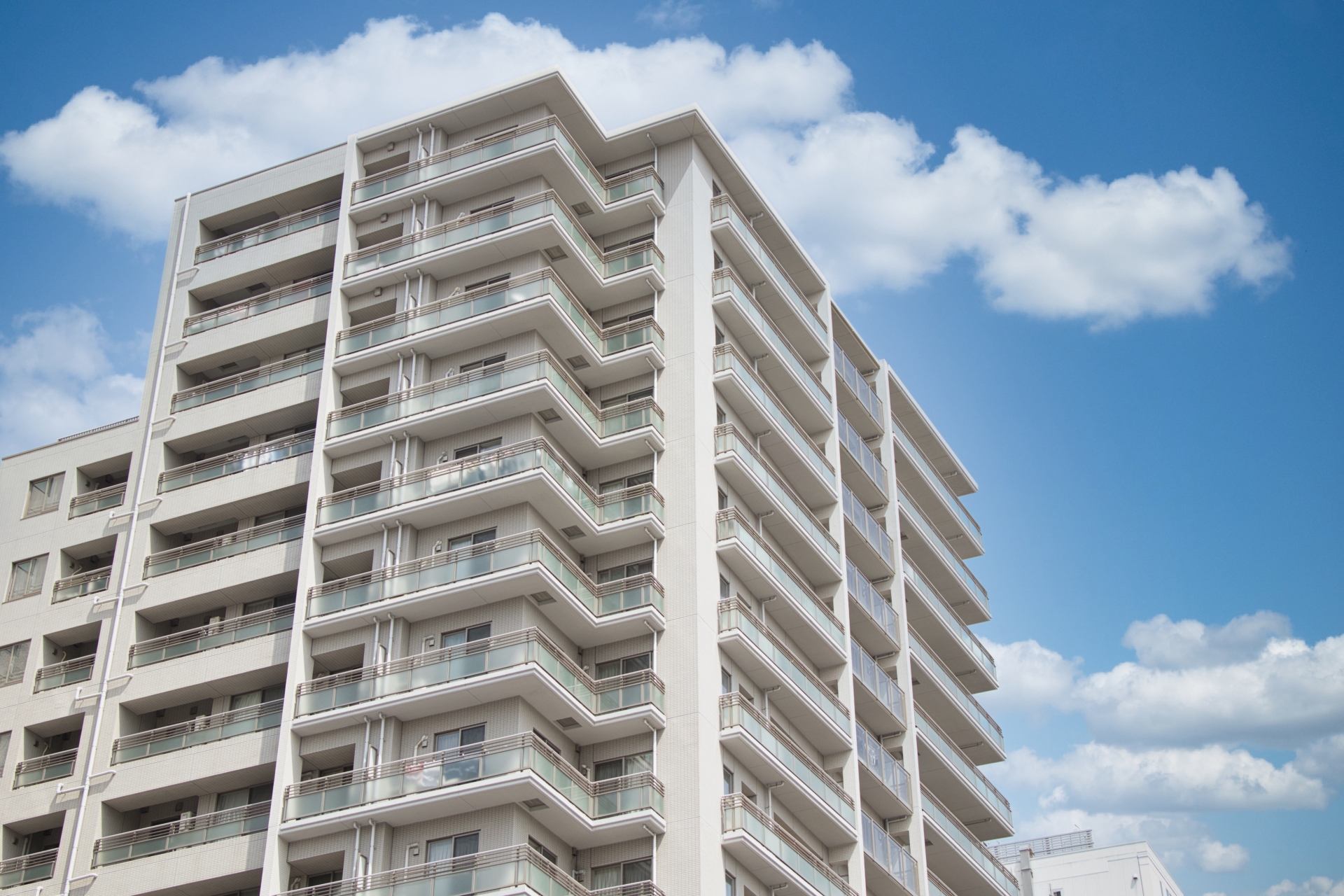
Japanese housing designs range from traditional to contemporary.
Japanese housing is of a high standard by global standards. Japan is known as an earthquake-prone country, and in order to make the houses more earthquake resistant, construction costs are also higher, resulting in higher prices for new detached houses.
In addition, the average useful life of a Japanese house is said to be around 30 years, but in recent years this has been lengthened by about 10 years due to the establishment of the excellent long-term housing system. Another characteristic of Japanese housing is the tendency to tear down old houses and build new ones. It is also a good idea to buy a used house, as many houses that are still livable are left unoccupied.
The charm of Japanese houses is that they are made of wood, tatami mats, and painted walls, which keep the humidity at a comfortable level throughout the year.
Floor Plan of Japanese Houses
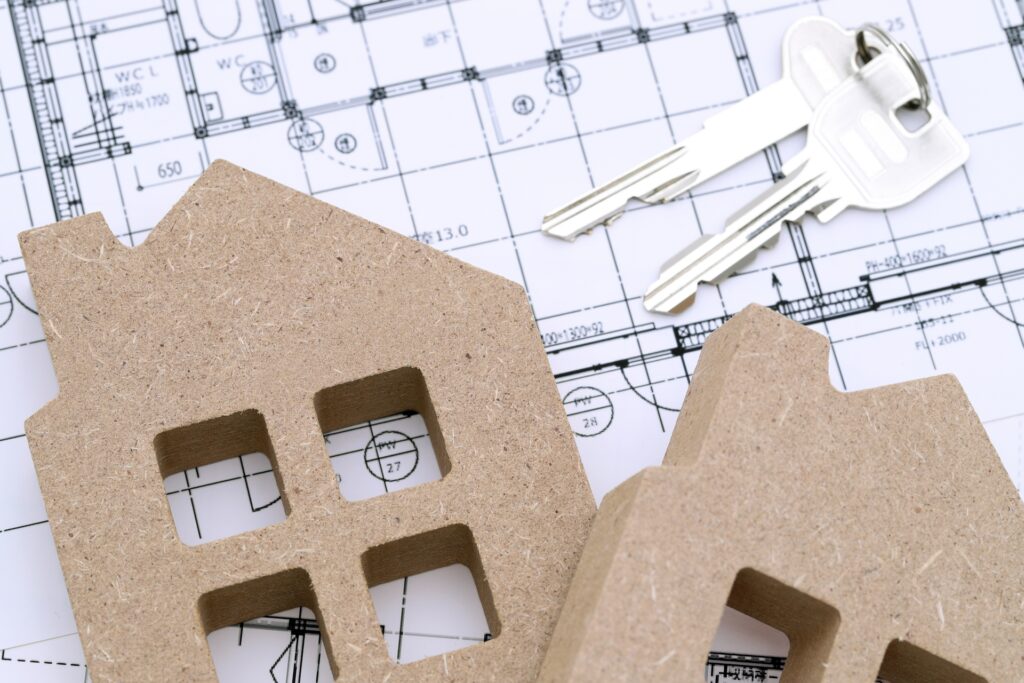
First of all, because of the Japanese custom of taking off shoes indoors, there is an earthen floor at the entrance. Another feature is the separation of the bathroom from the toilet. Since most Japanese people tend to store hot water in the bathroom, the bathroom usually has a bathtub and a washing area, which is separated from the toilet.
The layout is also characterized by its small size, with the living room and kitchen often being in the same room. However, the room is characterized by a lot of storage space, which makes the room feel spacious as it keeps things tidy.
In recent years, as houses with Western-style design have become the mainstream, some houses do not incorporate Japanese-style rooms. Since both Japanese-style rooms and Western-style rooms have their own advantages, there are a great many houses that use them together.
Differences between Japanese and Foreign Housing
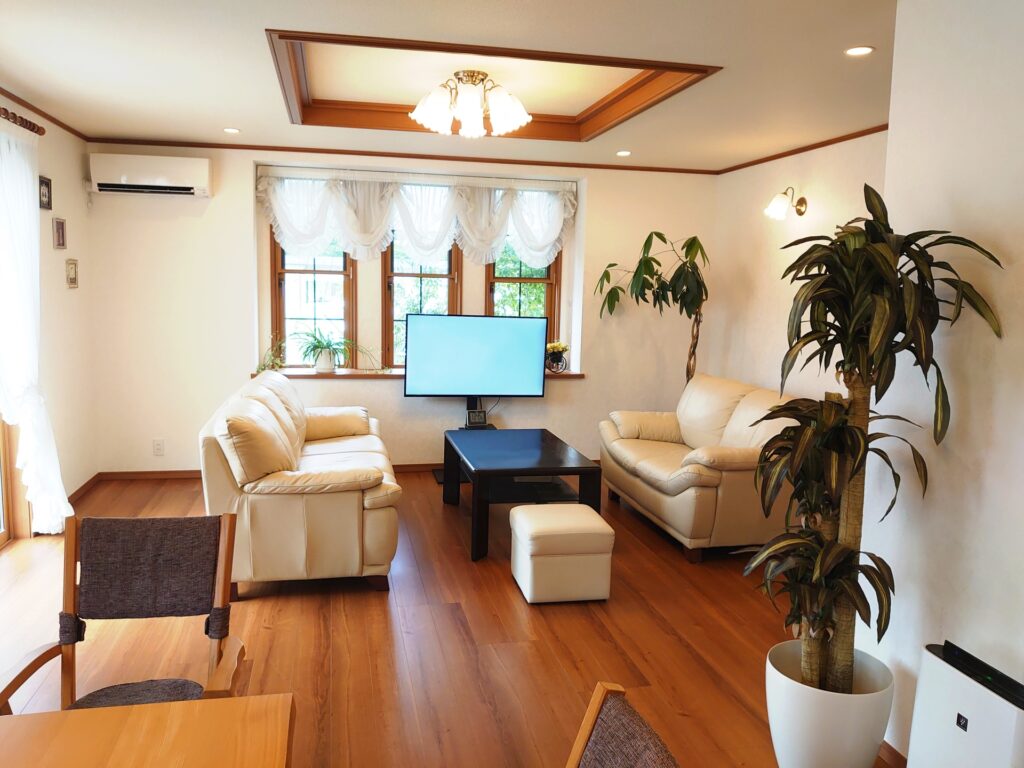
As introduced in the floor plan of Japanese houses, most houses overseas are called “unit-bath” and consist of a toilet, a washbasin, and a bath as a set, while in Japan, because of the custom of soaking in a bathtub, the toilet, washbasin, and bath are also separated.
Also, the way of thinking about buildings differs between Japan and the West. In Japan, it is believed that the value of a building decreases with the passage of time. On the other hand, in the U.S. and the U.K., however, the value of a building is regularly repaired and renovated to prevent it from losing value from the time it is acquired until it is sold, another difference between Japanese and overseas housing.
Used Property
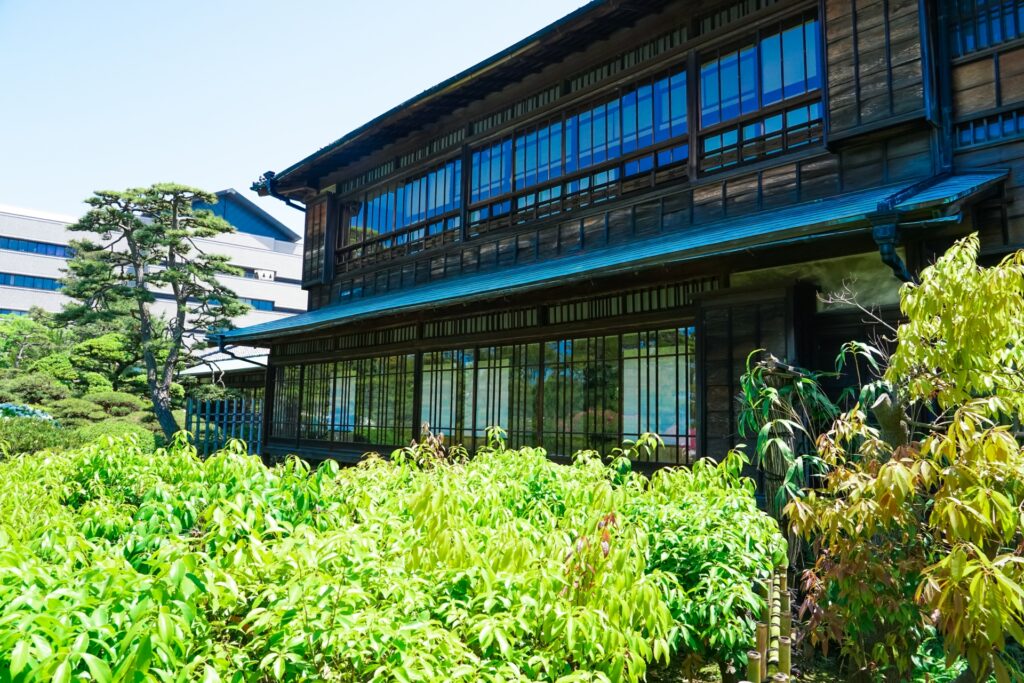
When purchasing a home, many people are unsure whether to purchase a new or used home.
In Japan, many people purchase newly built single-family homes. However, because the price of new construction is rising rapidly, many people are choosing to buy used homes.
The number of vacant houses in Japan is increasing and is expected to continue to grow. Those who purchase on the premise of remodeling, and some of these homes have been remodeled and are now on the market, are a good option.
It would be a good idea to select a second-hand property, eliminate your concerns by remodeling, etc., and obtain your ideal home.
Conclusion
What do you think about the characteristics of Japanese housing and used properties?
Living in Japan is different from the lifestyle in other countries, and housing has various characteristics. In addition, wooden houses are the most common type of housing in Japan, which are resistant to earthquakes and durable in accordance with the climate and climate of Japan.
Therefore, newly built single-family homes are more expensive, so you may want to consider second-hand or renovated pre-owned properties.
It is a good idea to compare the advantages and disadvantages of both new houses and used properties before making a decision to purchase a house.